

Introduction
In the realm of waste management, the efficient collection and disposal of bulk waste pose particular challenges for municipalities and private waste management companies. Bulk waste, which includes large items such as furniture, appliances, and other oversized objects, requires specialized equipment and processes for effective removal and disposal. Garbage compactor trucks designed for bulk waste play a crucial role in streamlining the collection and transportation of these items, offering a sustainable solution that maximizes efficiency and reduces environmental impact.
This article explores the key features, benefits, and operational considerations of garbage compactor trucks for bulk waste management. By understanding the capabilities of these specialized vehicles and their role in the waste management ecosystem, stakeholders can make informed decisions to optimize their waste collection processes and contribute to a cleaner, more sustainable environment.
Overview of Bulk Waste Management
Bulk waste poses unique challenges for waste management authorities due to its size, weight, and irregular shapes. Unlike household garbage or recyclables, which can be easily contained in bins or bags, bulk waste items require special handling and transportation methods. Common examples of bulk waste include old furniture, mattresses, appliances, electronic devices, and construction debris.
Effective management of bulk waste is essential to ensure the cleanliness and safety of urban environments, prevent illegal dumping, and minimize the strain on landfills and disposal facilities. Traditional methods of bulk waste collection, such as manual loading onto open-bed trucks or collection bins, are labor-intensive, time-consuming, and inefficient. Moreover, these methods can result in environmental pollution, traffic congestion, and safety hazards for workers and the public.
Garbage compactor trucks designed for bulk waste offer a more efficient and sustainable alternative for collecting, transporting, and compacting oversized items. These specialized vehicles are equipped with advanced features and technologies that streamline the waste collection process, reduce operational costs, and promote environmental stewardship.
Key Features of Garbage Compactor Trucks for Bulk Waste
Garbage compactor trucks for bulk waste are specifically designed to handle large, bulky items with ease and efficiency. These vehicles combine robust construction, innovative engineering, and advanced technologies to optimize the collection and transportation of bulk waste. The following are key features that distinguish garbage compactor trucks for bulk waste management:
1. Large Capacity: Garbage compactor trucks for bulk waste are equipped with spacious loading compartments or bins that can accommodate a wide range of oversized items. The high-capacity design of these vehicles allows for efficient collection of large volumes of bulk waste in a single trip, reducing the need for multiple pickups and optimizing route planning.
2. Hydraulic Compaction System: One of the defining features of garbage compactor trucks is their hydraulic compaction system, which compresses waste materials to maximize storage capacity. For bulk waste collection, the compaction mechanism is essential for reducing the volume of oversized items such as furniture and appliances, enabling more efficient use of space and minimizing the frequency of trips to disposal facilities.
3. Side-Loading Mechanism: Some garbage compactor trucks for bulk waste are equipped with side-loading mechanisms that facilitate the easy and safe loading of large items. This feature eliminates the need for manual lifting and reduces the risk of injuries to workers during the collection process. The side-loading design also improves operational efficiency by enabling quick and seamless loading of bulky items.
4. Sealed Compaction System: To prevent odors, leakage, and spillage during transportation, garbage compactor trucks for bulk waste are equipped with sealed compaction systems that contain and secure the waste materials. The sealed design ensures environmental compliance, minimizes the risk of contamination, and enhances overall cleanliness in the collection and transportation process.
5. Durability and Reliability: Given the demanding nature of waste collection operations, garbage compactor trucks for bulk waste are built to withstand heavy use and harsh conditions. These vehicles feature durable construction materials, robust components, and reliable systems that ensure long-term performance and minimal downtime. The durability of garbage compactor trucks enhances operational efficiency and reduces maintenance costs over their service life.
6. Safety Features: Safety is a top priority in waste management operations, especially when handling bulky items that pose risks to workers and the public. Garbage compactor trucks for bulk waste are equipped with safety features such as backup cameras, alarms, lighting systems, and ergonomic controls to enhance visibility, awareness, and operational safety. These features help prevent accidents, injuries, and property damage during waste collection and transportation activities.
Benefits of Garbage Compactor Trucks for Bulk Waste Management
The adoption of garbage compactor trucks for bulk waste management offers a wide range of benefits for municipalities, waste management companies, and the community at large. By leveraging the advanced capabilities of these specialized vehicles, stakeholders can enhance operational efficiency, reduce costs, and promote environmental sustainability. The following are key benefits of using garbage compactor trucks for bulk waste management:
1. Increased Efficiency: Garbage compactor trucks for bulk waste are designed to streamline the waste collection process and maximize operational efficiency. The large capacity, hydraulic compaction system, and side-loading mechanism of these vehicles enable faster and more effective collection of oversized items, reducing the time and resources required for waste disposal. By consolidating bulky waste into compacted loads, garbage compactor trucks optimize route planning and minimize the number of trips to disposal facilities, resulting in significant time and cost savings.
2. Reduced Environmental Impact: Traditional methods of bulk waste collection, such as open-bed trucks or manual loading, can lead to environmental pollution, resource wastage, and increased carbon emissions. Garbage compactor trucks for bulk waste help mitigate these negative impacts by containing and compacting waste materials in sealed compartments, reducing the risk of littering, leakage, and contamination. The efficient compaction and transportation of bulk waste also minimize the volume of waste sent to landfills, conserving valuable landfill space and promoting sustainable waste management practices.
3. Cost Savings: The use of garbage compactor trucks for bulk waste management can result in significant cost savings for waste management authorities and service providers. By optimizing route efficiency, reducing fuel consumption, and minimizing operational labor, these specialized vehicles lower the overall operational expenses associated with waste collection and transportation. The long-term durability and reliability of garbage compactor trucks further contribute to cost savings by reducing maintenance and replacement costs over time.
4. Improved Worker Safety: Garbage compactor trucks for bulk waste are equipped with advanced safety features that enhance worker protection and minimize the risk of accidents and injuries. The side-loading mechanisms, sealed compaction systems, and ergonomic controls of these vehicles promote safe and ergonomic waste handling practices, reducing the strain on workers and ensuring compliance with occupational health and safety regulations. By prioritizing worker safety, garbage compactor trucks create a safer and more secure work environment for waste management personnel.
5. Enhanced Public Health and Well-being: Effective management of bulk waste is essential for maintaining clean, healthy, and livable urban environments. Garbage compactor trucks help improve public health and well-being by removing large, unsightly items from streets, alleys, and public spaces, reducing the risk of vermin infestation, disease transmission, and aesthetic degradation. The efficient collection and disposal of bulk waste contribute to a cleaner and more attractive community environment, enhancing the quality of life for residents and visitors alike.
Operational Considerations for Garbage Compactor Trucks
While garbage compactor trucks for bulk waste offer numerous benefits and advantages, their effective utilization requires careful planning, maintenance, and oversight. Waste management authorities and service providers must consider several operational factors to maximize the performance and longevity of these specialized vehicles. The following are key operational considerations for the successful deployment of garbage compactor trucks for bulk waste management:
1. Proper Training and Certification: Waste management personnel responsible for operating garbage compactor trucks should undergo comprehensive training and certification programs to ensure safe and efficient vehicle operation. Training should cover vehicle controls, compaction systems, safety protocols, and emergency procedures to equip operators with the knowledge and skills needed to perform their duties effectively. Ongoing training and refresher courses are essential to keep operators informed of the latest technologies and best practices in waste management.
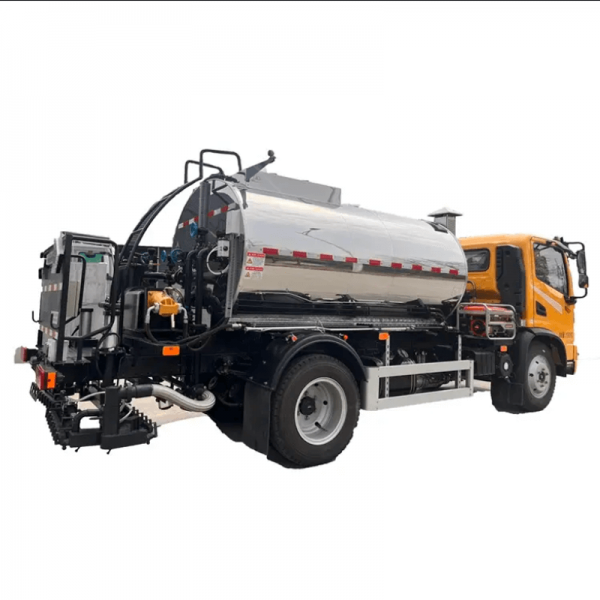
2. Routine Maintenance and Inspections: Garbage compactor trucks are complex vehicles with multiple components and systems that require regular maintenance and inspections to ensure optimal performance. Scheduled maintenance activities, such as fluid checks, filter replacements, and hydraulic system inspections, should be conducted according to manufacturer guidelines and industry standards. Routine inspections help identify and address potential issues early, prevent breakdowns, and extend the service life of garbage compactor trucks.
3. Route Optimization and Planning: Efficient route planning is essential to maximize the productivity and cost-effectiveness of garbage compactor trucks for bulk waste collection. Water tank truck capacity should analyze collection routes, scheduling requirements, and waste generation patterns to optimize vehicle deployment and minimize travel time and fuel consumption. The use of GPS tracking systems, route optimization software, and real-time data analytics can help identify opportunities for route consolidation, load balancing, and operational efficiency improvements.
4. Environmental Compliance: Garbage compactor trucks for bulk waste must adhere to environmental regulations and standards to minimize their impact on air quality, water quality, and natural resources. Waste management authorities should implement proper waste segregation practices, recycling initiatives, and disposal protocols to ensure compliance with local, state, and federal environmental laws. By promoting sustainable waste management practices, garbage compactor trucks contribute to environmental protection and resource conservation.
5. Community Engagement and Education: Effective waste management requires the collaboration and support of the community to promote responsible waste disposal practices and environmental stewardship. Waste management authorities can engage residents, businesses, and stakeholders through outreach programs, educational campaigns, and public events to raise awareness about the importance of proper waste management. By fostering a culture of sustainability and waste reduction, communities can work together to support the effective operation of garbage compactor trucks and achieve shared environmental goals.
Future Trends and Innovations in Bulk Waste Management
As the field of waste management continues to evolve, new technologies and innovations are emerging to address the challenges and opportunities associated with bulk waste collection and disposal. Garbage compactor trucks for bulk waste are poised to benefit from these advancements, as manufacturers and researchers explore novel solutions to enhance operational efficiency, sustainability, and performance. The following are future trends and innovations that may shape the landscape of bulk waste management in the coming years:
1. Smart Waste Management Systems: The integration of Internet of Things (IoT) technology, sensors, and data analytics is revolutionizing waste management operations by enabling real-time monitoring, tracking, and optimization of collection activities. Smart waste management systems can be deployed in garbage compactor trucks to improve route planning, asset management, and waste tracking, leading to greater operational efficiency and transparency. These systems also provide valuable insights into waste generation patterns, recycling rates, and environmental impact, allowing waste management authorities to make data-driven decisions and implement targeted interventions.
2. Electric and Hybrid Vehicles: The transition towards sustainable transportation solutions is driving the development of electric and hybrid garbage compactor trucks for bulk waste management. By replacing traditional diesel-powered vehicles with cleaner, more energy-efficient alternatives, waste management authorities can reduce greenhouse gas emissions, noise pollution, and reliance on fossil fuels. Electric and hybrid garbage compactor trucks offer quieter operation, lower maintenance costs, and reduced environmental footprint, making them a promising option for urban waste collection fleets.
3. Autonomous and Robotic Systems: The rise of autonomous vehicle technology and robotic systems presents opportunities to automate and optimize waste collection processes, including bulk waste management. Autonomous garbage compactor trucks equipped with advanced sensors, artificial intelligence, and automation capabilities can navigate urban environments, collect waste materials, and compact loads with minimal human intervention. Robotic systems such as automated arms and sorting mechanisms can enhance the efficiency and safety of waste handling operations, reducing labor costs and improving overall operational performance.
4. Sustainable Materials Management: The shift towards a circular economy and sustainable materials management practices is influencing the design and operation of garbage compactor trucks for bulk waste. Manufacturers are exploring eco-friendly materials, lightweight construction techniques, and recyclable components to minimize the environmental impact of vehicle production and disposal. By adopting sustainable materials management principles, waste management authorities can reduce waste generation, conserve natural resources, and promote a closed-loop approach to waste recovery and recycling.
Conclusion
Garbage compactor trucks for bulk waste play a vital role in modern waste management systems, offering a reliable, efficient, and sustainable solution for collecting and transporting oversized items. These specialized vehicles combine advanced features, innovative technologies, and robust construction to streamline the waste collection process, reduce operational costs, and promote environmental stewardship. By leveraging the capabilities of garbage compactor trucks, waste management authorities and service providers can optimize their operations, enhance worker safety, and contribute to a cleaner, healthier environment for current and future generations.
As the demand for effective bulk waste management continues to grow, stakeholders must embrace new technologies, best practices, and collaborative approaches to address the challenges and opportunities in waste collection and disposal. By investing in garbage compactor trucks, adopting sustainable waste management practices, and engaging the community in environmental initiatives, municipalities and waste management companies can build a more resilient, resource-efficient waste management ecosystem that benefits society, the economy, and the environment. Garbage compactor trucks for bulk waste are not just vehicles; they are essential tools for creating a more sustainable and livable world for all.